
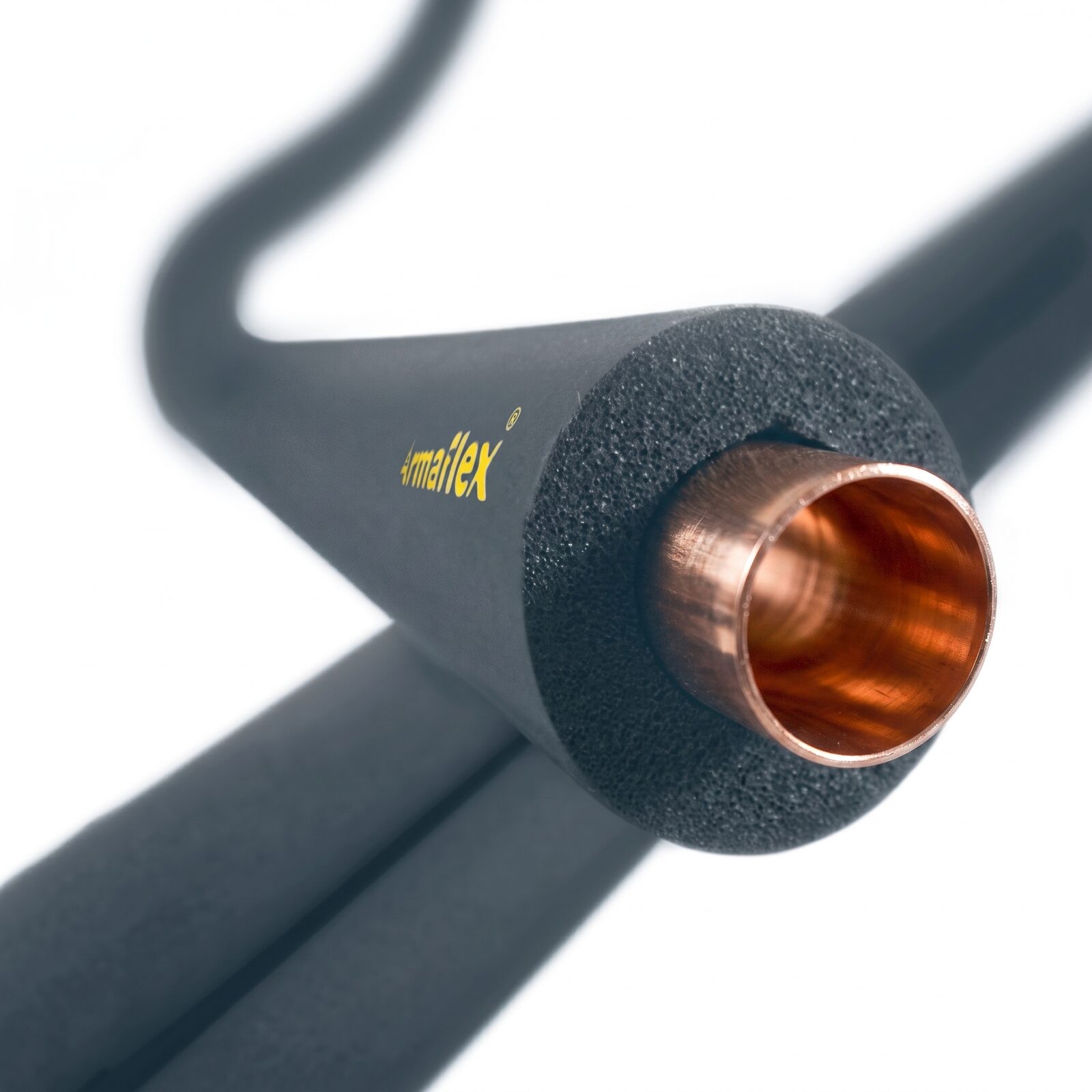
Insulate exposed pipework
Pipes in lofts, garages, under floors and against external walls are most at risk. Pipe lagging is inexpensive and straightforward to fit, and it's one of the most effective ways to prevent a freeze.
Keep a low heat on during cold snaps
Even if you're out or away, keeping your heating on a low, consistent setting during a cold spell helps keep pipework above freezing, rather than letting the whole house cool right down.
Know where your stopcock is
If a pipe does freeze and then bursts as it thaws, being able to shut the water off immediately makes a real difference to how much damage it causes. Check now that you know where it is and that it turns freely.
Let a trickle run in extreme cold
On the coldest nights, leaving a tap fed by a vulnerable pipe dripping slightly keeps water moving through the system, which makes it harder for it to freeze solid.
If a pipe does freeze
Turn off the water supply, open the affected tap, and if you can safely reach the frozen section, gently warm it with a hot water bottle or heated cloth. Never a naked flame. If you can't find or reach the frozen section, or you're at all unsure, call a plumber before it thaws on its own.
More from the blog
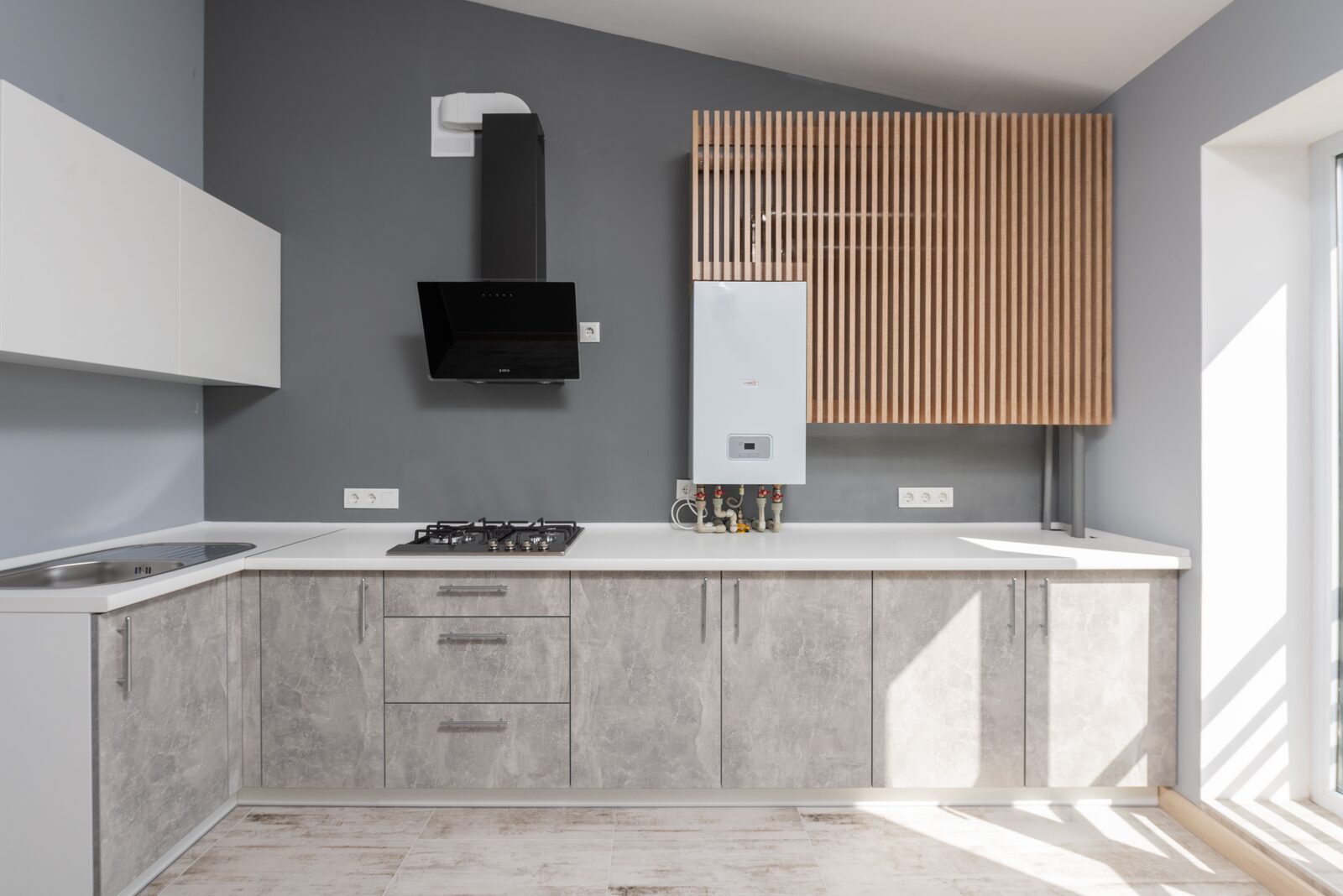
How Often Should You Service Your Boiler?
Annual servicing keeps your boiler safe, efficient and under warranty. Here's what's involved and why it's worth booking in every year.
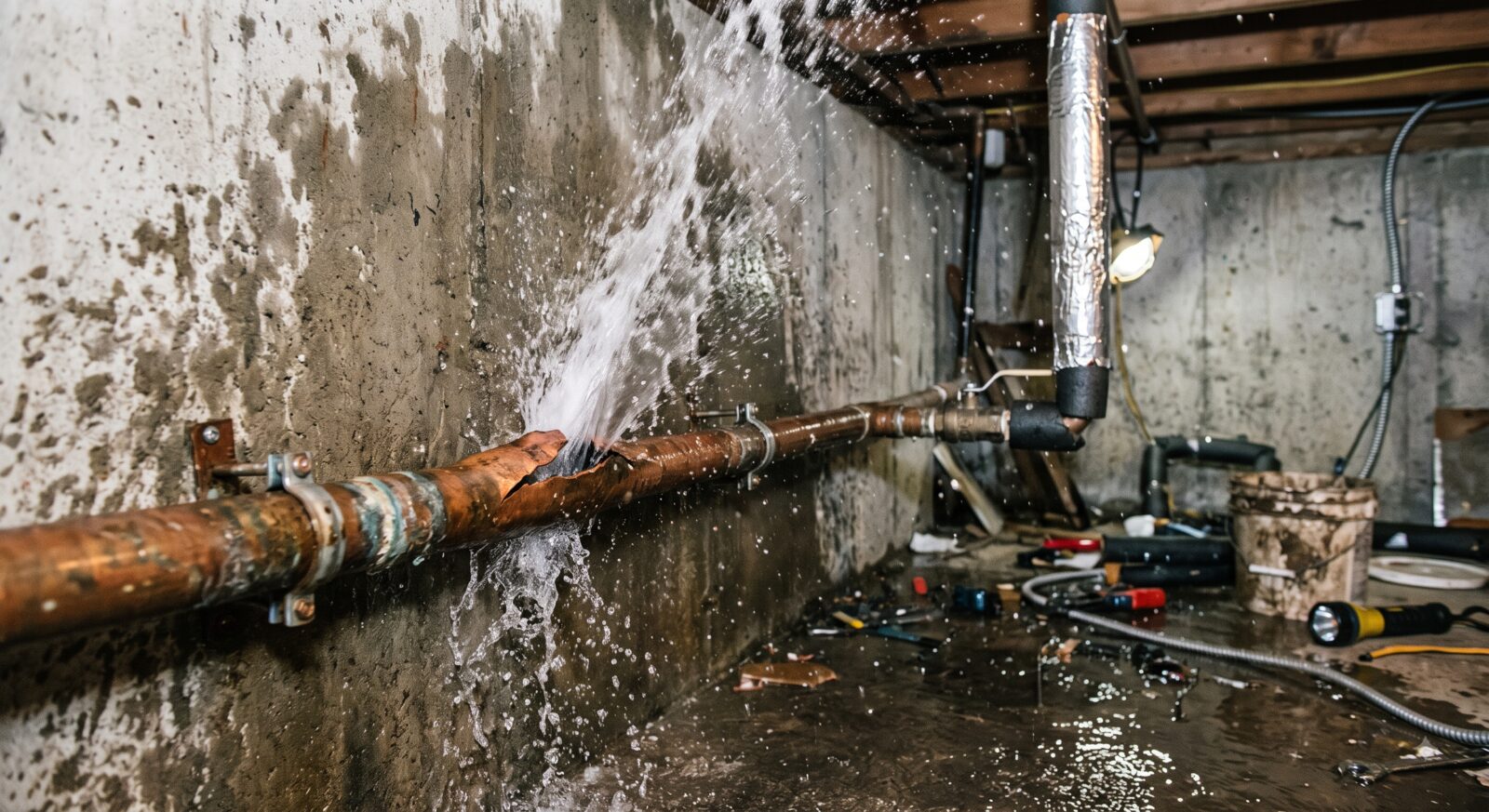
What to Do When You Have a Burst Pipe
A burst pipe can cause serious damage fast. Here's exactly what to do in the first few minutes, before help arrives.
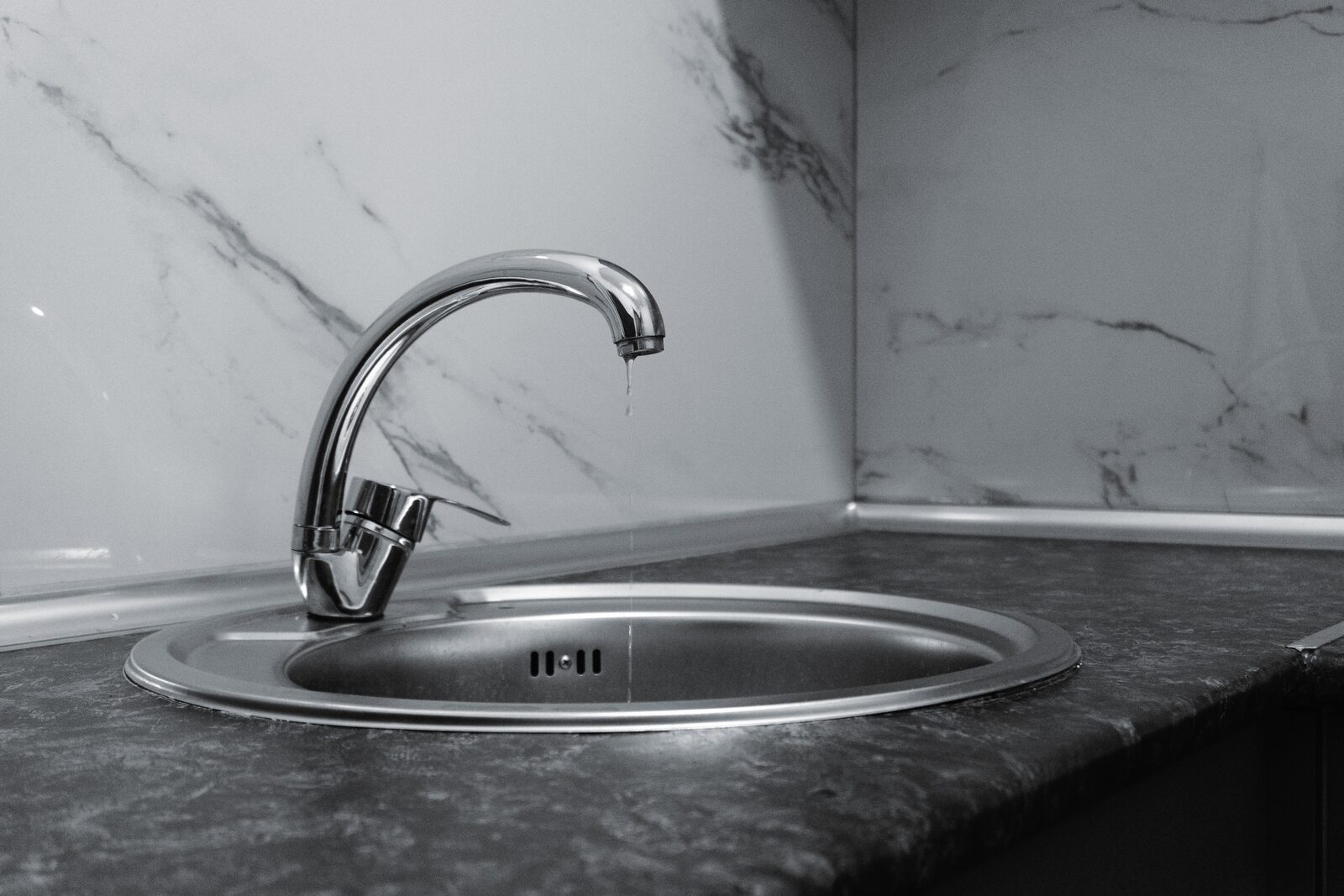
Why Is My Tap Dripping?
That drip-drip-drip isn't just annoying. It's usually a sign of a specific, fixable problem, and here's what's likely going on.