
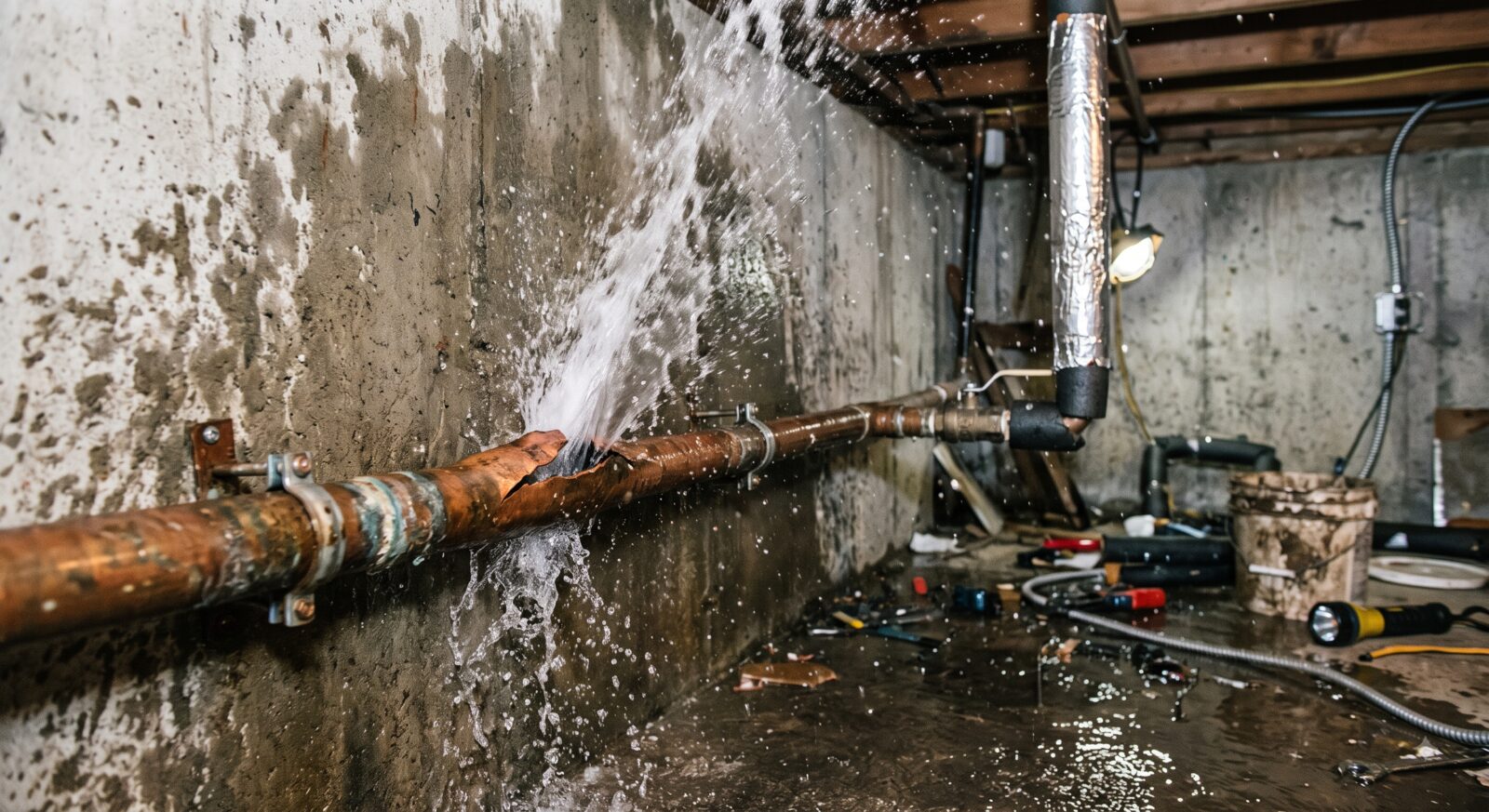
Turn off the water first
The first job is always to stop more water getting in. Find your stopcock (usually under the kitchen sink, near the front door, or in a downstairs cupboard) and turn it clockwise until it's fully closed.
If you can't find the stopcock or it won't turn, don't waste time forcing it. Move on to limiting the damage instead and call a plumber straight away.
Turn off the heating and any electrics nearby
Switch off your central heating system, particularly if the burst is on a heating pipe rather than the mains supply. If water is near sockets, switches or the fuse board, turn off the electricity at the consumer unit rather than risk touching anything wet.
Drain the system and contain the water
Open cold taps to help drain any remaining water out of the pipes and relieve pressure. Use towels, buckets and anything else to hand to stop water spreading to carpets, flooring and electrics.
If water is coming through a ceiling and starting to bulge, it's safer to pierce it in a controlled spot with something like a screwdriver to let the water out in a controlled way, rather than let the ceiling collapse on its own.
Call a plumber
Once the immediate danger is under control, get a plumber out to assess and repair the pipe properly. A temporary fix might stop the leak for now, but the pipe will need a permanent repair to avoid it happening again.
More from the blog
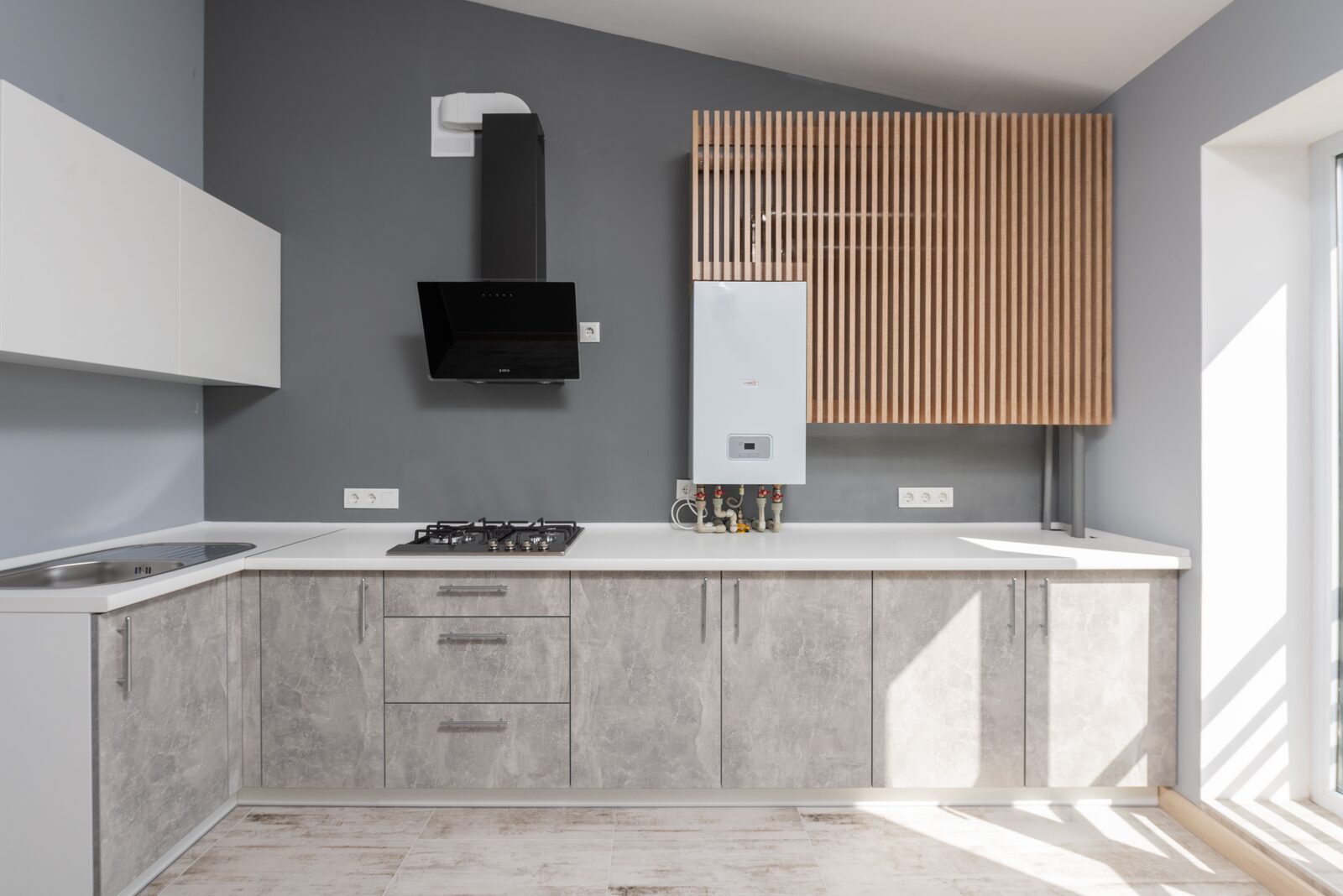
How Often Should You Service Your Boiler?
Annual servicing keeps your boiler safe, efficient and under warranty. Here's what's involved and why it's worth booking in every year.
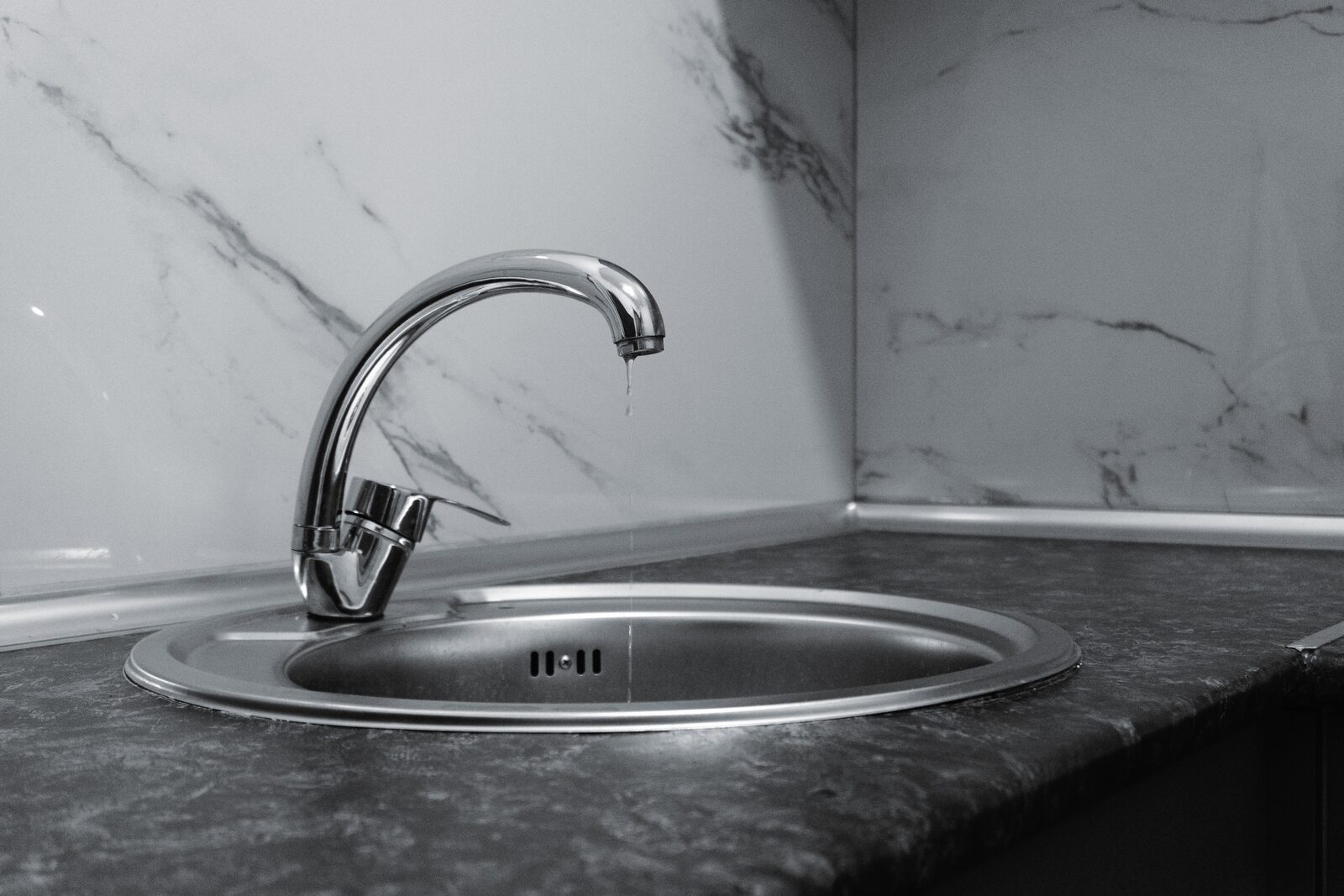
Why Is My Tap Dripping?
That drip-drip-drip isn't just annoying. It's usually a sign of a specific, fixable problem, and here's what's likely going on.
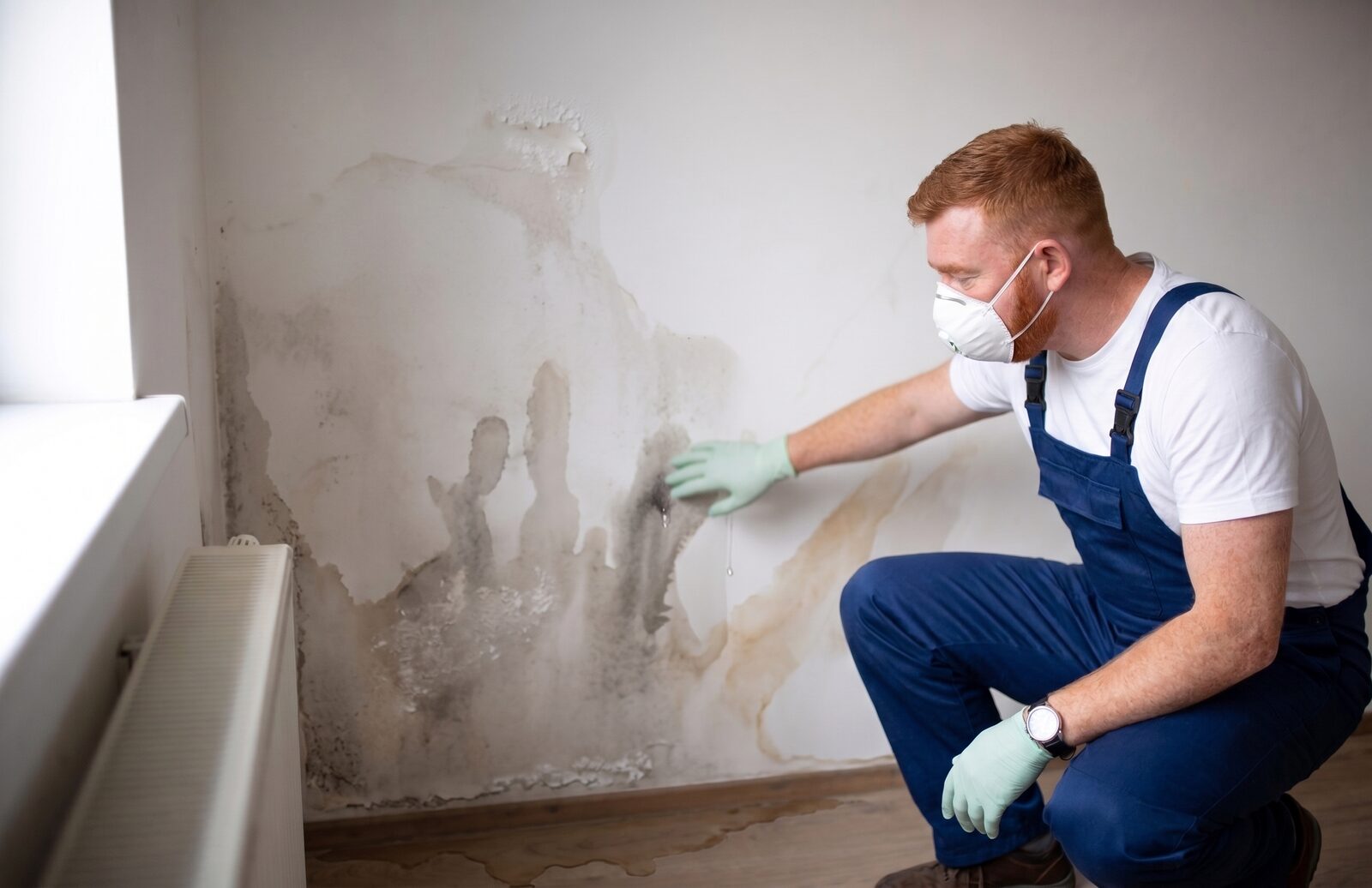
Signs You May Have a Hidden Water Leak
Not every leak shows itself straight away. These are the warning signs worth acting on before they become a bigger problem.